Difference Between 3I G10 Robot Vacuum and Wild Hearts S Explained
Category: Electronics
Introduction
Robot vacuums have become mainstream household helpers, and shoppers now face a crowded market of models that vary in navigation, cleaning power, smart features, and value. Two names that sometimes appear together in comparisons are the 3I G10 Robot Vacuum and the Wild Hearts S. Both target consumers who want automated floor maintenance, but they approach the trade-offs between performance, convenience, and price in different ways.
This article takes an objective look at the two models, explaining the practical differences a buyer will notice in daily use. It focuses on real-world scenarios—apartments, pet homes, mixed-floor households, and busy schedules—so readers can match product characteristics to their priorities. The analysis covers design and build, cleaning performance, navigation and mapping, battery and runtime, app and smart home integration, maintenance and consumables, plus typical pros and cons for each model. A comparison table and a concise buying guide follow to help readers reach a decision grounded in how they actually live with a robot vacuum.
Overview of the Two Models
Both the 3I G10 and Wild Hearts S are marketed as mid-range robot vacuums that balance automated routines with a level of smart control. In many markets, these types of vacuums aim to provide day-to-day floor care with minimal human intervention. That said, they are designed with different engineering choices and target buyer needs:
- 3I G10 Robot Vacuum: Presents itself as an all-around cleaner with features often pitched at households with mixed flooring and light-to-moderate pet hair. It tends to emphasize navigation stability and a user-friendly app experience.
- Wild Hearts S: Positions itself toward buyers who prioritize raw suction and a simple, no-frills approach—often attractive to shoppers who want solid cleaning performance without an overly complex app or setup.
Detailed Product Analysis
Design and Build
Both models take the common low-profile circular design that allows the robot to slide under furniture. The differences to watch for are tactile: bumper feel, dustbin access, and filter layout. The 3I G10 typically offers a slightly more refined finish with easier access to the dustbin and filters, which reduces the likelihood of dust escaping during emptying. The Wild Hearts S often prioritizes a straightforward build with durable plastics and a simple latch mechanism for the bin.
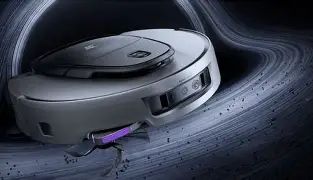
Real-world use case: For a household that empties the bin frequently (daily or every other day), an easy-to-open dustbin and quick filter access become important. The 3I G10's convenience features can reduce the friction of routine maintenance.
Cleaning Performance
Cleaning performance depends on three factors: suction power, brush design, and how the machine handles edges and corners. The Wild Hearts S typically leans into higher suction for its class, which helps on carpets and with embedded pet hair. In contrast, the 3I G10 tends to balance suction with brush roll design and airflow management to perform consistently across hard floors and low- to medium-pile carpets.
Real-world use case: A pet-owner with mostly hard floors and occasional rugs will notice the Wild Hearts S picking up more debris from rugs on a single pass, while the 3I G10 may feel more even and less likely to scatter dust on edging maneuvers.
Navigation and Mapping
Navigation tech diverges between robot vacuums and is one of the most consequential differences for daily reliability. The 3I G10 typically includes a mapping system that creates floor plans and supports no-go lines and room-specific cleaning—features useful for multi-room homes and scheduled, targeted cleaning. Wild Hearts S models in this segment often rely on simpler navigation (random or semi-random patterns with basic obstacle avoidance) or limited mapping functionality.
Real-world use case: For a two-bedroom apartment where the user wants the robot to clean only the living room in the morning and bedrooms in the evening, the 3I G10's mapping provides clear advantages. For a single-room studio or a user who values simplicity over controls, the Wild Hearts S's simpler navigation is less of a drawback and can be more robust in cluttered environments where mapping can get confused.
Battery Life and Runtime
Battery capacity and runtime affect how large an area a robot can cover in a single cleaning cycle. Both models will offer sufficient run time for small to medium-sized homes in typical configurations, but differences surface in recharge behavior and return-to-dock efficiency. The 3I G10 often prioritizes smart return and resume for multi-pass cleaning of larger spaces. The Wild Hearts S may focus on consistent runtime with quick-charging cycles.
Looking for the best Electronics deals on Amazon?
View Offers →Real-world use case: In a large home where a robot needs to run longer or resume after charging, a model that supports precise mapping and resume features (commonly found on the 3I G10) will finish floor plans more reliably than a simpler model that restarts without mapping memory.
App, Voice, and Smart Home Integration
App features can range from basic scheduling to fine-grained room management and remote status updates. The 3I G10 typically ships with an app that includes mapping, custom schedules, and integration with voice assistants. The Wild Hearts S may offer simpler app controls—start/stop, scheduling, and status—but may lack advanced mapping controls.
Real-world use case: Buyers who want to tell their robot to "clean the kitchen" from a phone or smart speaker will get more value from a mapped robot with room names in the app. If a user only needs a timed schedule and occasional manual start, a lighter app experience meets the need without extra complexity.
Mopping and Hybrid Functions
Some modern robot vacuums offer mopping attachments or wet/dry hybrid cleaning. If either model includes a mopping module, buyers should check how the device manages water delivery, mop pressure, and whether map-based no-mop zones are supported. The 3I G10's mapping features are an asset here because they enable the creation of no-mop zones and room-by-room drying preferences. The Wild Hearts S—if it offers mopping—may do so in a more basic way that works well on open, hard floors but requires manual tank refills and fewer automation options.
Real-world use case: Homes with mixed tile and rugs benefit from a mapped mopping system that avoids carpeted areas automatically; that convenience is often more fully realized in models with advanced mapping.
Maintenance and Consumables
Maintenance considerations—brush replacement frequency, filter type, and dustbin size—have a direct impact on ongoing cost and convenience. Consumers typically care about how often brushes and filters must be replaced and how easy it is to find replacements. The 3I G10 often uses standard, widely available consumables that balance longevity with filtration efficiency. The Wild Hearts S emphasizes robust primary brushes and a straightforward filter system that can be cleaned rather than frequently swapped.
Real-world use case: For allergy sufferers, a model with HEPA-grade filtration and an easy-to-access filter housing is valuable. Buyers should also consider how easy it is to remove hair from brush rolls—tangle-resistant brush designs save time for pet owners.
Pros & Cons
3I G10 Robot Vacuum
- Pros:
- Strong mapping and room-based scheduling for targeted cleaning
- Convenient dustbin and filter access reduces maintenance hassle
- Good balance between suction and brush design for mixed floors
- App-driven controls with advanced options (no-go lines, zone cleaning)
- Cons:
- More features add setup complexity for users who prefer plug-and-play simplicity
- Mapping sensors may require a learning period in cluttered homes
- Potentially higher initial price relative to simpler models
Wild Hearts S
- Pros:
- Often emphasizes raw suction and strong pickup on rugs
- Simpler controls and straightforward operation are easy for first-time users
- Durable build and less reliance on complex sensors
- Lower learning curve for maintenance and troubleshooting
- Cons:
- May lack advanced mapping and room-specific cleaning options
- Simpler navigation can be less efficient in multi-room homes
- Fewer app features for customization and remote control
Comparison Table
| Feature | 3I G10 Robot Vacuum | Wild Hearts S |
|---|---|---|
| Design focus | Balanced design with emphasis on mapping and ease of maintenance | Performance-focused, simple and durable construction |
| Navigation | Mapping-capable, room recognition, no-go zones | Simpler navigation with obstacle avoidance |
| Cleaning approach | Balanced suction + brush design for mixed floors | Higher suction emphasis for rugs and embedded debris |
| App & smart features | Advanced app features and voice assistant integration | Basic app controls and scheduling |
| Mopping | Often supports mapped mopping and no-mop zones | If available, simpler wet-mop function without advanced zone control |
| Maintenance | Accessible dustbin and standard consumables | Robust brush components and easy-to-clean filters |
| Best for | Multi-room homes, mapped schedules, users who want granular control | Small-to-medium homes, users who want strong suction and simplicity |
Buying Guide: How to Choose Between the Two
Choosing the right robot vacuum depends on how the device will be used day to day. The following checklist helps buyers match their priorities to the models' strengths.

1. Size of the Home and Floor Plan
If the home is multi-room or has complex cleaning zones, mapping features become highly valuable. The 3I G10's room recognition and no-go line capabilities give more predictable outcomes in larger houses. For single-room spaces, studios, or open-plan apartments, the Wild Hearts S's simpler navigation may be perfectly adequate.
2. Flooring Mix
Homes with a mix of hardwood, tile, and rugs benefit from a balanced machine that can adapt suction and brush behavior. The 3I G10's design aims for that balance. Homes dominated by rugs or with heavy embedded pet hair may favor the Wild Hearts S's higher suction focus.
Shop the latest Electronics picks on Amazon.
Shop Amazon →3. Pets and Hair Management
Pet owners should prioritize tangle-resistant brush designs, strong suction, and easy-to-empty dustbins. Frequent emptying is part of the maintenance routine, so an easy-access bin (often highlighted in the 3I G10) and a maintenance process that minimizes dust exposure are important considerations.
4. Allergies and Filtration
Buyers sensitive to allergens should look for models with fine particulate filtration and sealed pathways from brush to dustbin. Check filter type and whether the receiver area is easy to clean. If HEPA-grade filters or multi-stage filtration are needed, investigate replacement filter availability and cost.
5. Smart Home Integration
Those who expect voice control, room-specific voice commands, or integration into a wider home automation routine will appreciate the 3I G10's advanced app and mapping features. If smart features are not a priority, the simpler app approach of the Wild Hearts S is less distracting.
6. Maintenance and Consumables Cost
Factor in the cost and availability of replacement brushes, filters, and batteries. A model with common, widely available consumables reduces long-term cost and avoids downtime waiting for parts.
7. Ease of Use vs. Customization
Decide whether ease of use or customization matters more. The Wild Hearts S tends toward "set-and-forget" simplicity. The 3I G10 offers more customization that pays off for buyers who want to tailor cleaning behavior precisely.
Real-World Scenarios and Recommendations
To ground the comparison, here are a few realistic buyer profiles and which model might better serve their needs:
- Busy professional with a two-bedroom apartment: The 3I G10's mapping and scheduling allow targeted cleaning while away at work, so the living room and entryway can be prioritized without running the whole home.
- Pet household with area rugs: The Wild Hearts S may offer stronger pickup on rugs and embedded hair, though the 3I G10 is still a strong contender if mapping to avoid carpeted rooms during mopping is necessary.
- Seniors or users seeking simplicity: Wild Hearts S's straightforward controls reduce complexity and troubleshooting needs, which may be preferable for users who want predictable, minimal-setup operation.
- Home with mix of tile and carpet and occasional mopping needed: The 3I G10's mapped mopping and room-specific controls offer flexibility and reduce the risk of wetting rugs or carpets.
Conclusion
Both the 3I G10 Robot Vacuum and the Wild Hearts S serve the core purpose of reducing time spent on routine floor cleaning, but they appeal to different priorities. The 3I G10 is suited to buyers who want mapping, room control, and a more feature-rich app experience—useful in multi-room homes and households that want precise scheduling and no-go zones. The Wild Hearts S favors simplicity and raw cleaning strength, which can be more effective for homes with heavy rug use or for owners who prefer a straightforward device without advanced setup.
Ultimately, the best choice depends on the individual's living situation: whether the home requires careful zone management, whether pets and rugs demand strong suction, and how much time the buyer wants to spend customizing schedules and maps. Evaluating those needs against the strengths summarized here will help match the right model to daily life. By focusing on how these vacuums perform in common real-world scenarios, buyers can choose the model that delivers the most value for their floors and their routines.